


 Myngul CSAE Standards:
 About
About

-
· 0 Commentarii ·0 Distribuiri ·16K Views ·0 previzualizare1
-
https://youtu.be/x7gsQA9ZEQE?si=4wNKpYnRG9x9SQYx
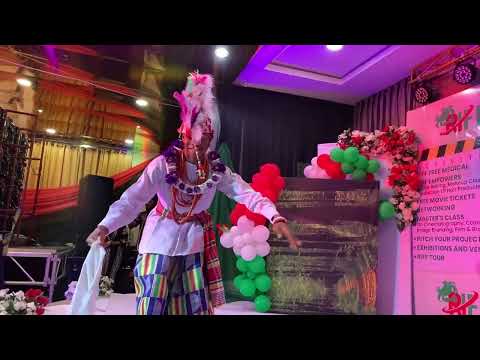 · 0 Commentarii ·0 Distribuiri ·4K Views ·0 previzualizare1
-
Moremi Game Reserve, Botswana - PREDATOR’S PLAYGROUND
Overview & Significance:
- Established: 1963 (Africa’s first community-established reserve).
- Size: 5,000 km² (20% of the Okavango Delta).
- UNESCO Status: Heart of the Okavango Delta World Heritage Site.
- Unique Trait: Protects both permanent waterways (lagoons, channels) and dry savannah, creating unmatched biodiversity.
- Founding Story: Named after Chief Moremi of the BaTawana tribe, who championed conservation against hunting pressures.
Location & Ecosystems:
- Location: Northeast Okavango Delta, accessible via Maun (70km) or charter flights.
- Key Zones:
- Chief’s Island: Largest landmass (1,000 km²), predator stronghold.
- Xakanaxa Lediba: Waterbird paradise with hippo-filled lagoons.
- Khwai Concession: Community-run area (famous for wild dogs).
- Topography: Floodplains, mopane forests, riverine woodlands, and papyrus swamps.
Wildlife Highlights :
Big Five:
- Elephants: 200,000+ in the Delta; herds cross waterways daily.
- Lions: Specialist "swimming Lions" hunt Buffalo in water.
- Leopards: Densities highest near Xakanaxa.
- Buffalo & Rhino: White Rhinos reintroduced to Chief’s Island.
Predator Mecca:
- Wild Dogs: 40% of Africa’s population den here (May–Aug).
- Cheetahs: Hunt on open plains like Mombo.
Iconic Species: Red lechwe, sitatunga, Hippos, and 500+ bird species (including Pel’s fishing owl).
Top Activities:
1. Mokoro (Dugout Canoe) Safaris:
- Glide through lily-choked channels with poler-guides.
2. Motorboat Trips:
- Explore deep lagoons at Xakanaxa.
3. Game Drives:
- Off-road permitted for tracking wildlife.
4. Walking Safaris:
- Track rhinos on Chief’s Island (armed guides).
5. Birdwatching:
- Rarities: Slaty egret, coppery-tailed coucal.
Best Time to Visit:
Season
Dry (May–Oct): Wildlife concentrates near water; prime for predators - Cold mornings (5°C)
Green (Nov–Apr): Migratory birds; lush scenery; fewer crowds - Heat (40°C+); some areas flooded.
Conservation & Communities:
- Community-Owned: Jointly managed by BaTawana people and Botswana govt.
- Anti-Poaching: Rhino protection units; "eyes and ears" from local scouts.
- Sustainable Tourism: Strict vehicle limits; eco-certified lodges fund clinics/schools.
Why Moremi?
> "Where lions swim, wild dogs raise pups beside your vehicle, and sunsets turn floodplains to liquid gold."
- For Adventurers: Mokoro trips among crocs and hippos.
- For Photographers: Unrivaled predator action and reflections in Delta waters.
- For Conservationists: See community-led protection in action.
"Moremi isn’t just a reserve – it’s where the wild heart of Africa beats loudest."
Moremi Game Reserve, Botswana - PREDATOR’S PLAYGROUND Overview & Significance: - Established: 1963 (Africa’s first community-established reserve). - Size: 5,000 km² (20% of the Okavango Delta). - UNESCO Status: Heart of the Okavango Delta World Heritage Site. - Unique Trait: Protects both permanent waterways (lagoons, channels) and dry savannah, creating unmatched biodiversity. - Founding Story: Named after Chief Moremi of the BaTawana tribe, who championed conservation against hunting pressures. Location & Ecosystems: - Location: Northeast Okavango Delta, accessible via Maun (70km) or charter flights. - Key Zones: - Chief’s Island: Largest landmass (1,000 km²), predator stronghold. - Xakanaxa Lediba: Waterbird paradise with hippo-filled lagoons. - Khwai Concession: Community-run area (famous for wild dogs). - Topography: Floodplains, mopane forests, riverine woodlands, and papyrus swamps. Wildlife Highlights 🐘🦁: Big Five: - Elephants: 200,000+ in the Delta; herds cross waterways daily. - Lions: Specialist "swimming Lions" hunt Buffalo in water. - Leopards: Densities highest near Xakanaxa. - Buffalo & Rhino: White Rhinos reintroduced to Chief’s Island. Predator Mecca: - Wild Dogs: 40% of Africa’s population den here (May–Aug). - Cheetahs: Hunt on open plains like Mombo. Iconic Species: Red lechwe, sitatunga, Hippos, and 500+ bird species (including Pel’s fishing owl). Top Activities: 1. Mokoro (Dugout Canoe) Safaris: - Glide through lily-choked channels with poler-guides. 2. Motorboat Trips: - Explore deep lagoons at Xakanaxa. 3. Game Drives: - Off-road permitted for tracking wildlife. 4. Walking Safaris: - Track rhinos on Chief’s Island (armed guides). 5. Birdwatching: - Rarities: Slaty egret, coppery-tailed coucal. Best Time to Visit: Season Dry (May–Oct): Wildlife concentrates near water; prime for predators - Cold mornings (5°C) Green (Nov–Apr): Migratory birds; lush scenery; fewer crowds - Heat (40°C+); some areas flooded. Conservation & Communities: - Community-Owned: Jointly managed by BaTawana people and Botswana govt. - Anti-Poaching: Rhino protection units; "eyes and ears" from local scouts. - Sustainable Tourism: Strict vehicle limits; eco-certified lodges fund clinics/schools. Why Moremi? > "Where lions swim, wild dogs raise pups beside your vehicle, and sunsets turn floodplains to liquid gold." - For Adventurers: Mokoro trips among crocs and hippos. - For Photographers: Unrivaled predator action and reflections in Delta waters. - For Conservationists: See community-led protection in action. "Moremi isn’t just a reserve – it’s where the wild heart of Africa beats loudest." 🌍· 0 Commentarii ·0 Distribuiri ·13K Views ·0 previzualizare1
-
Katavi National Park, Tanzania - THE FORGOTTEN PARK
Overview & Significance:
- Established: 1974 (upgraded from game reserve)
- Size: 4,471 km² (Tanzania’s 3rd-largest park)
- UNESCO Status: Part of the Rukwa-Katavi Ecosystem
- Claim to Fame: East Africa’s most remote park* with record-breaking wildlife densities during dry season.
- Name Origin: Named after the legendary healer Katabi, whose spirit resides in a tamarind tree near Lake Katavi.
Location & Landscape:
- Location: Southwest Tanzania, wedged between Lake Tanganyika and Rukwa Rift Valley.
- Topography:
- Seasonal floodplains (Chada, Katisunga, Kapapa)
- Permanent lakes (Katavi, Chada)
- Miombo woodlands & soda lakes
- Katuma River: The park’s lifeline.
Wildlife Highlights :
Dry Season (June–Oct) Spectacles:
- Hippos: 4,000+ crammed in shrinking pools (world’s densest population); fierce territorial fights.
- Buffalo: Herds of 10,000+ blacken the plains.
- Elephants: 3,000+ dig for water in dry riverbeds.
- Predators:
- Tree-climbing lions (Chada Plains)
- Hyena clans (200+ members)
- Leopards, wild dogs (rare).
Birdlife: 400+ species, including saddle-billed storks, pelicans, and carmine bee-eaters.
Top Activities:
1. Game Drives:
- Off-road tracking of mega-herds; iconic scenes of lions stalking buffalo.
2. Walking Safaris:
- Armed ranger-led treks to Paradise Springs or Kapimbye Falls.
3. Hippo Pool Viewing:
- Witness dramatic hippo battles at Lake Chada.
4. Cultural Visits:
- Meet Pimbwe tribes near Sitalike village; learn about Katabi’s spirit tree.
5. Fly Camping:
- Sleep under stars on remote floodplains (e.g., Chada Camp).
Best Time to Visit:
Season:
Dry (Jun-Oct): Dusty plains; water sources shrink; hippo pools boiling; predator feast zones
Wet (Nov-May): Lush greenery; flooded rivers Birding peak; migratory birds; inaccessible roads
Conservation Challenges:
- Poaching: Snares target buffalo/antelope; ranger patrols increased 50% since 2020.
- Human-Wildlife Conflict: Elephants raid crops; honey fences used as deterrents.
- Climate Pressures: Droughts dry critical waterholes earlier each year.
Why Visit Katavi?
> "Where 4,000 hippos churn blood-red waters, lions climb trees to escape buffalo herds, and humanity feels like a distant rumor."
- For Adventurers: True off-grid exploration beyond the safari circuit.
- For Photographers: Unrivaled drama of life-and-death dry-season struggles.
- For Purists: Experience Africa as it was a century ago.
"Katavi doesn’t cater to tourists – it rewards pilgrims." 🏜
Katavi National Park, Tanzania - THE FORGOTTEN PARK Overview & Significance: - Established: 1974 (upgraded from game reserve) - Size: 4,471 km² (Tanzania’s 3rd-largest park) - UNESCO Status: Part of the Rukwa-Katavi Ecosystem - Claim to Fame: East Africa’s most remote park* with record-breaking wildlife densities during dry season. - Name Origin: Named after the legendary healer Katabi, whose spirit resides in a tamarind tree near Lake Katavi. Location & Landscape: - Location: Southwest Tanzania, wedged between Lake Tanganyika and Rukwa Rift Valley. - Topography: - Seasonal floodplains (Chada, Katisunga, Kapapa) - Permanent lakes (Katavi, Chada) - Miombo woodlands & soda lakes - Katuma River: The park’s lifeline. Wildlife Highlights 🐘🦛: Dry Season (June–Oct) Spectacles: - Hippos: 4,000+ crammed in shrinking pools (world’s densest population); fierce territorial fights. - Buffalo: Herds of 10,000+ blacken the plains. - Elephants: 3,000+ dig for water in dry riverbeds. - Predators: - Tree-climbing lions (Chada Plains) - Hyena clans (200+ members) - Leopards, wild dogs (rare). Birdlife: 400+ species, including saddle-billed storks, pelicans, and carmine bee-eaters. Top Activities: 1. Game Drives: - Off-road tracking of mega-herds; iconic scenes of lions stalking buffalo. 2. Walking Safaris: - Armed ranger-led treks to Paradise Springs or Kapimbye Falls. 3. Hippo Pool Viewing: - Witness dramatic hippo battles at Lake Chada. 4. Cultural Visits: - Meet Pimbwe tribes near Sitalike village; learn about Katabi’s spirit tree. 5. Fly Camping: - Sleep under stars on remote floodplains (e.g., Chada Camp). Best Time to Visit: Season: Dry (Jun-Oct): Dusty plains; water sources shrink; hippo pools boiling; predator feast zones Wet (Nov-May): Lush greenery; flooded rivers Birding peak; migratory birds; inaccessible roads Conservation Challenges: - Poaching: Snares target buffalo/antelope; ranger patrols increased 50% since 2020. - Human-Wildlife Conflict: Elephants raid crops; honey fences used as deterrents. - Climate Pressures: Droughts dry critical waterholes earlier each year. Why Visit Katavi? > "Where 4,000 hippos churn blood-red waters, lions climb trees to escape buffalo herds, and humanity feels like a distant rumor." - For Adventurers: True off-grid exploration beyond the safari circuit. - For Photographers: Unrivaled drama of life-and-death dry-season struggles. - For Purists: Experience Africa as it was a century ago. "Katavi doesn’t cater to tourists – it rewards pilgrims." ✨🏜· 0 Commentarii ·0 Distribuiri ·10K Views ·0 previzualizare1
-
This week's quiz on Sports and games is........
Who is the African tennis player who has won the most Grand Slam titles?This week's quiz on Sports and games is........ Who is the African tennis player who has won the most Grand Slam titles?· 0 Commentarii ·0 Distribuiri ·3K Views ·0 previzualizare1
-
Aberdare National Park, Kenya – FOG FOREST.
🏞 Introduction & History
- Established: 1950 to protect vital water sources and montane ecosystems.
- Size: 767 km² (296 sq mi) in central Kenya, part of the Aberdare Mountain Range (160 km long).
- Name Origin: Named by colonial explorer Joseph Thomson in 1884 after Lord Aberdare (UK politician). Kikuyu call it Nyandarua ("Drying Hide" – for its folded ridges).
- UNESCO: Core zone of the Aberdare Water Tower – supplies 70% of Nairobi’s water.
⛰ Landscape & Ecology:
- Altitude: 2,000–4,001 m (Ol Doinyo Lasatima peak).
- Key Zones:
- Bamboo Forests (30% of park): Dense stands up to 12m tall.
- Rainforests: Moorland, giant heather, and ancient Hagenia trees draped in "Old Man’s Beard" lichen.
- Peaks & Valleys: Jagged volcanic outcrops, deep gorges like Karuru Falls drop).
- Rivers: Source of the Tana (Kenya’s longest) and Athī Rivers.
Wildlife Population:
Big Game: Black Rhinos (sanctuary-bred), Elephants, bongo Antelope (rare), giant forest Hogs, Buffaloes.
Predators: Leopards, serval Cats, African golden Cats (elusive).
Primates: Black-and-white colobus Monkeys, Sykes’ Monkeys, olive Baboons.
Birds (290+ species): Jackson’s francolin, Aberdare cisticola, crowned Eagles. |
🏕 Attractions & Activities:
1. Tree Lodge Stays:
- The Ark & Treetops: Iconic lodges with night-viewing decks for Elephants/Buffaloes.
2. Waterfall Chasing:
- Karuru Falls (Kenya’s highest), Gura Falls, Chania Falls.
3. Hiking & Fishing:
- Trails to Satima Peak (4,001m); trout fishing in Chania River (seasonal).
4. Birdwatching:
- Moorlands for scarlet-tufted malachite sunbirds; forests for Hartlaub’s turaco.
5. Cultural Sites:
- Mau Mau caves (independence war hideouts); Kikuyu sacred groves.
⚠ Challenges:
- Poaching: Rhinos targeted (electric fence installed).
- Human Encroachment: Illegal logging/farming in buffer zones.
- Climate Change: Reduced mist affects cloud-forest species.
- Access: Roads become impassable in heavy rains (Apr–Jun, Oct–Nov).
🌦 Best Time to Visit:
- Dry Seasons: Jan–Feb & Jun–Sep (roads accessible, wildlife visible).
- Avoid: April–May (heavy rains) – landslides risk.
Fun Facts & Nicknames:
- "Princess Elizabeth’s Crown": She became queen here in 1952 while at Treetops Lodge.
- "Water Castle of Kenya": Feeds 7 major rivers.
- "Bongo Sanctuary": One of only 3 Kenyan parks with wild mountain bongos.
- "Fog Forest": Mist blankets the park 300+ days/year.
Tourism Potential:
- Eco-Lodges: High demand for Ark/Treetops; new campsites opening.
- Adventure Tourism: Zip-lining proposals over Gura Falls.
- Community Tours: Kikuyu homestays near Nyeri town.
🏔 Conclusion: Kenya’s Misty Fortress:
Aberdare is where Elephants materialize from fog, waterfalls thunder through emerald gorges, and Rhinos reclaim cloud forests. Its blend of wilderness and history (Mau Mau caves, royal lore) offers a uniquely Kenyan safari – less crowded than Maasai Mara, yet rich in endemic life. Visit for high-altitude hikes, waterfall selfies, and nights at The Ark listening to Buffaloes clash below.
> "In Aberdare, the mountains wear crowns of mist, and every trail leads to secrets older than Kenya."
Aberdare National Park, Kenya – FOG FOREST. 🏞 Introduction & History - Established: 1950 to protect vital water sources and montane ecosystems. - Size: 767 km² (296 sq mi) in central Kenya, part of the Aberdare Mountain Range (160 km long). - Name Origin: Named by colonial explorer Joseph Thomson in 1884 after Lord Aberdare (UK politician). Kikuyu call it Nyandarua ("Drying Hide" – for its folded ridges). - UNESCO: Core zone of the Aberdare Water Tower – supplies 70% of Nairobi’s water. ⛰ Landscape & Ecology: - Altitude: 2,000–4,001 m (Ol Doinyo Lasatima peak). - Key Zones: - Bamboo Forests (30% of park): Dense stands up to 12m tall. - Rainforests: Moorland, giant heather, and ancient Hagenia trees draped in "Old Man’s Beard" lichen. - Peaks & Valleys: Jagged volcanic outcrops, deep gorges like Karuru Falls drop). - Rivers: Source of the Tana (Kenya’s longest) and Athī Rivers. Wildlife Population: Big Game: Black Rhinos (sanctuary-bred), Elephants, bongo Antelope (rare), giant forest Hogs, Buffaloes. Predators: Leopards, serval Cats, African golden Cats (elusive). Primates: Black-and-white colobus Monkeys, Sykes’ Monkeys, olive Baboons. Birds (290+ species): Jackson’s francolin, Aberdare cisticola, crowned Eagles. | 🏕 Attractions & Activities: 1. Tree Lodge Stays: - The Ark & Treetops: Iconic lodges with night-viewing decks for Elephants/Buffaloes. 2. Waterfall Chasing: - Karuru Falls (Kenya’s highest), Gura Falls, Chania Falls. 3. Hiking & Fishing: - Trails to Satima Peak (4,001m); trout fishing in Chania River (seasonal). 4. Birdwatching: - Moorlands for scarlet-tufted malachite sunbirds; forests for Hartlaub’s turaco. 5. Cultural Sites: - Mau Mau caves (independence war hideouts); Kikuyu sacred groves. ⚠ Challenges: - Poaching: Rhinos targeted (electric fence installed). - Human Encroachment: Illegal logging/farming in buffer zones. - Climate Change: Reduced mist affects cloud-forest species. - Access: Roads become impassable in heavy rains (Apr–Jun, Oct–Nov). 🌦 Best Time to Visit: - Dry Seasons: Jan–Feb & Jun–Sep (roads accessible, wildlife visible). - Avoid: April–May (heavy rains) – landslides risk. 💡 Fun Facts & Nicknames: - "Princess Elizabeth’s Crown": She became queen here in 1952 while at Treetops Lodge. - "Water Castle of Kenya": Feeds 7 major rivers. - "Bongo Sanctuary": One of only 3 Kenyan parks with wild mountain bongos. - "Fog Forest": Mist blankets the park 300+ days/year. 📈 Tourism Potential: - Eco-Lodges: High demand for Ark/Treetops; new campsites opening. - Adventure Tourism: Zip-lining proposals over Gura Falls. - Community Tours: Kikuyu homestays near Nyeri town. 🏔 Conclusion: Kenya’s Misty Fortress: Aberdare is where Elephants materialize from fog, waterfalls thunder through emerald gorges, and Rhinos reclaim cloud forests. Its blend of wilderness and history (Mau Mau caves, royal lore) offers a uniquely Kenyan safari – less crowded than Maasai Mara, yet rich in endemic life. Visit for high-altitude hikes, waterfall selfies, and nights at The Ark listening to Buffaloes clash below. > "In Aberdare, the mountains wear crowns of mist, and every trail leads to secrets older than Kenya."· 0 Commentarii ·0 Distribuiri ·10K Views ·0 previzualizare1
-
Omo Forest Reserve, Nigeria - LUNGS OF LAGOS
Introduction & History:
Omo Forest Reserve, established in 1925 during the British colonial era, is Nigeria's oldest and most ecologically significant protected rainforest. Initially created for timber conservation, its mission evolved to prioritize biodiversity protection after Nigeria's independence. Key milestones include:
- UNESCO Biosphere Reserve designation in 1977, recognizing its global ecological value .
- Creation of a 640-hectare Strict Nature Reserve (SNR) in 1949 as a pristine core for scientific research .
- Tragic human-wildlife conflicts, like the 2018 elephant trampling incident, highlighting habitat encroachment pressures.
🗺 Location & Land Mass:
- Location: Ogun State, Southwest Nigeria (coordinates: 6°35'–7°05'N, 4°19'–4°40'E), 135 km northeast of Lagos.
- Size: 130,500 hectares (322,000 acres), making it Nigeria’s largest contiguous rainforest
- Topography: Undulating terrain (15–300 m elevation) with inselbergs, drained by the Omo River flowing into the Lekki Lagoon and Atlantic Ocean .
- Zonation: Core (protected), buffer (sustainable use), and transition zones under UNESCO’s Man and Biosphere framework.
Biodiversity:
Flora:
- 200+ tree species, dominated by Diospyros spp., Drypetes spp., and Voacanga africana .
- Endemic orchids and giant lobelias in the SNR, with 67 angiosperm species documented in a 1946 survey .
- Critically endangered Ptychotrema shagamuense land snail .
Fauna:
Mammals Forest elephants (~50), Chimpanzees, white-throated guenon, Leopard.
Birds: (125+ species), including African grey Parrot, crowned Eagle
Reptiles: Nile Crocodiles, rock Pythons
Molluscs: 28 land snail species (e.g., Subulona pattalus) 36% endemic Streptaxidae
⚠ Conservation Challenges:
1. Illegal Logging & Farming:
- Gmelina arborea plantations expanded by 122% (1986–2002), replacing natural forest .
- Cocoa farmers encroach into the core zone, fragmenting elephant habitat.
2. Poaching:
- Elephants targeted for ivory; hunters use snares for bushmeat trade.
3. Climate Stress:
- Reduced rainfall (formerly 2,000 mm/year): threatens water-dependent species.
4. Weak Enforcement:
- Lack of ranger funding; UNESCO’s "Green Economy" livelihood alternatives underutilized.
Attractions & Activities:
- Wildlife Tracking: Guided walks to spot elephants, primates, and birds with Nigerian Conservation Foundation (NCF) rangers .
- Waterfall Hikes: Trek to Karuru Falls (3-tiered, 273m drop) in the rainforest interior.
- Cultural Engagement: Visit Ijebu villages to learn about traditional medicine derived from forest plants.
- Research Tours: Explore the Strict Nature Reserve for rare orchids and snails (permits required).
Fun Facts:
- "Elephant Pharmacy": Local communities collect elephant dung for traditional medicines .
- Biosphere Economy: 80% of nearby residents rely on the forest for food, fuel, and medicine .
- Mollusc Haven: Home to Africa’s highest density of carnivorous Streptaxid snails .
- Cinematic Fame: Featured in documentaries like The Constant Gardener.
☀ Best Time to Visit:
- Dry Season (November–April): Optimal for wildlife viewing; temperatures average 27°C.
- Avoid Rainy Season (May–October): Trails flood; leeches and mosquitoes proliferate.
Tourism Potential & Community Impact:
- *Ecotourism Model:s
- Camping Safaris: Unravelling Nigeria offers 62-day tented camps with bonfires and bush walks.
- Citizen Science: Tourists assist in snail surveys or Elephant dung mapping.
- Community Benefits:
- NCF-led initiatives train locals as guides; 10% tourism revenue funds schools.
- Aseda Honey Project promotes beekeeping as an alternative to logging.
- Visitor Growth: 200+. annual tourists; aims to triple by 2030 with new canopy walkways.
🏞 Conclusion: A Race Against Time:
Omo Forest Reserve embodies both hope and crisis: its SNR core shelters species found nowhere else, while its buffers face relentless pressure from chainsaws and cocoa farms. As a UNESCO Biosphere Reserve, it could pioneer a model where conservation funds healthcare via honey sales, or where tourists tracking elephants finance forest schools. Yet without urgent action—strengthened ranger patrols, GPS-monitored boundaries, and payment for ecosystem services schemes—this "Lungs of Southwest Nigeria" may vanish by 2040.
> "In Omo, every fallen mahogany echoes a question: Can we value living forests more than dead timber?"
Omo Forest Reserve, Nigeria - LUNGS OF LAGOS 📜 Introduction & History: Omo Forest Reserve, established in 1925 during the British colonial era, is Nigeria's oldest and most ecologically significant protected rainforest. Initially created for timber conservation, its mission evolved to prioritize biodiversity protection after Nigeria's independence. Key milestones include: - UNESCO Biosphere Reserve designation in 1977, recognizing its global ecological value . - Creation of a 640-hectare Strict Nature Reserve (SNR) in 1949 as a pristine core for scientific research . - Tragic human-wildlife conflicts, like the 2018 elephant trampling incident, highlighting habitat encroachment pressures. 🗺 Location & Land Mass: - Location: Ogun State, Southwest Nigeria (coordinates: 6°35'–7°05'N, 4°19'–4°40'E), 135 km northeast of Lagos. - Size: 130,500 hectares (322,000 acres), making it Nigeria’s largest contiguous rainforest - Topography: Undulating terrain (15–300 m elevation) with inselbergs, drained by the Omo River flowing into the Lekki Lagoon and Atlantic Ocean . - Zonation: Core (protected), buffer (sustainable use), and transition zones under UNESCO’s Man and Biosphere framework. 🌿 Biodiversity: Flora: - 200+ tree species, dominated by Diospyros spp., Drypetes spp., and Voacanga africana . - Endemic orchids and giant lobelias in the SNR, with 67 angiosperm species documented in a 1946 survey . - Critically endangered Ptychotrema shagamuense land snail . Fauna: Mammals Forest elephants (~50), Chimpanzees, white-throated guenon, Leopard. Birds: (125+ species), including African grey Parrot, crowned Eagle Reptiles: Nile Crocodiles, rock Pythons Molluscs: 28 land snail species (e.g., Subulona pattalus) 36% endemic Streptaxidae ⚠ Conservation Challenges: 1. Illegal Logging & Farming: - Gmelina arborea plantations expanded by 122% (1986–2002), replacing natural forest . - Cocoa farmers encroach into the core zone, fragmenting elephant habitat. 2. Poaching: - Elephants targeted for ivory; hunters use snares for bushmeat trade. 3. Climate Stress: - Reduced rainfall (formerly 2,000 mm/year): threatens water-dependent species. 4. Weak Enforcement: - Lack of ranger funding; UNESCO’s "Green Economy" livelihood alternatives underutilized. 🚶 Attractions & Activities: - Wildlife Tracking: Guided walks to spot elephants, primates, and birds with Nigerian Conservation Foundation (NCF) rangers . - Waterfall Hikes: Trek to Karuru Falls (3-tiered, 273m drop) in the rainforest interior. - Cultural Engagement: Visit Ijebu villages to learn about traditional medicine derived from forest plants. - Research Tours: Explore the Strict Nature Reserve for rare orchids and snails (permits required). 💡 Fun Facts: - "Elephant Pharmacy": Local communities collect elephant dung for traditional medicines . - Biosphere Economy: 80% of nearby residents rely on the forest for food, fuel, and medicine . - Mollusc Haven: Home to Africa’s highest density of carnivorous Streptaxid snails . - Cinematic Fame: Featured in documentaries like The Constant Gardener. ☀ Best Time to Visit: - Dry Season (November–April): Optimal for wildlife viewing; temperatures average 27°C. - Avoid Rainy Season (May–October): Trails flood; leeches and mosquitoes proliferate. 📈 Tourism Potential & Community Impact: - *Ecotourism Model:s - Camping Safaris: Unravelling Nigeria offers 62-day tented camps with bonfires and bush walks. - Citizen Science: Tourists assist in snail surveys or Elephant dung mapping. - Community Benefits: - NCF-led initiatives train locals as guides; 10% tourism revenue funds schools. - Aseda Honey Project promotes beekeeping as an alternative to logging. - Visitor Growth: 200+. annual tourists; aims to triple by 2030 with new canopy walkways. 🏞 Conclusion: A Race Against Time: Omo Forest Reserve embodies both hope and crisis: its SNR core shelters species found nowhere else, while its buffers face relentless pressure from chainsaws and cocoa farms. As a UNESCO Biosphere Reserve, it could pioneer a model where conservation funds healthcare via honey sales, or where tourists tracking elephants finance forest schools. Yet without urgent action—strengthened ranger patrols, GPS-monitored boundaries, and payment for ecosystem services schemes—this "Lungs of Southwest Nigeria" may vanish by 2040. > "In Omo, every fallen mahogany echoes a question: Can we value living forests more than dead timber?"· 0 Commentarii ·0 Distribuiri ·18K Views ·0 previzualizare1


Buy this ad Space (ads@myngul.com)

